Cardiovascular fitness represents one of the most fundamental markers of overall health and athletic performance, yet many people struggle to understand what it truly means. At its core, cardiovascular fitness refers to your heart’s ability to pump oxygen-rich blood throughout your body efficiently, and your muscles’ capacity to utilize that oxygen during physical activity. This interconnected system determines how long you can sustain aerobic exercise, how quickly you recover from intense efforts, and ultimately, how well your body functions during daily life. Whether you’re training for a marathon, climbing stairs without breathlessness, or simply wanting to feel more energetic, your cardiovascular system plays the starring role. Understanding the science behind cardiovascular fitness empowers you to train smarter, set realistic goals, and track meaningful progress over time. The foundation of this understanding begins with a single metric that exercise scientists have relied upon for decades: VO2 max.
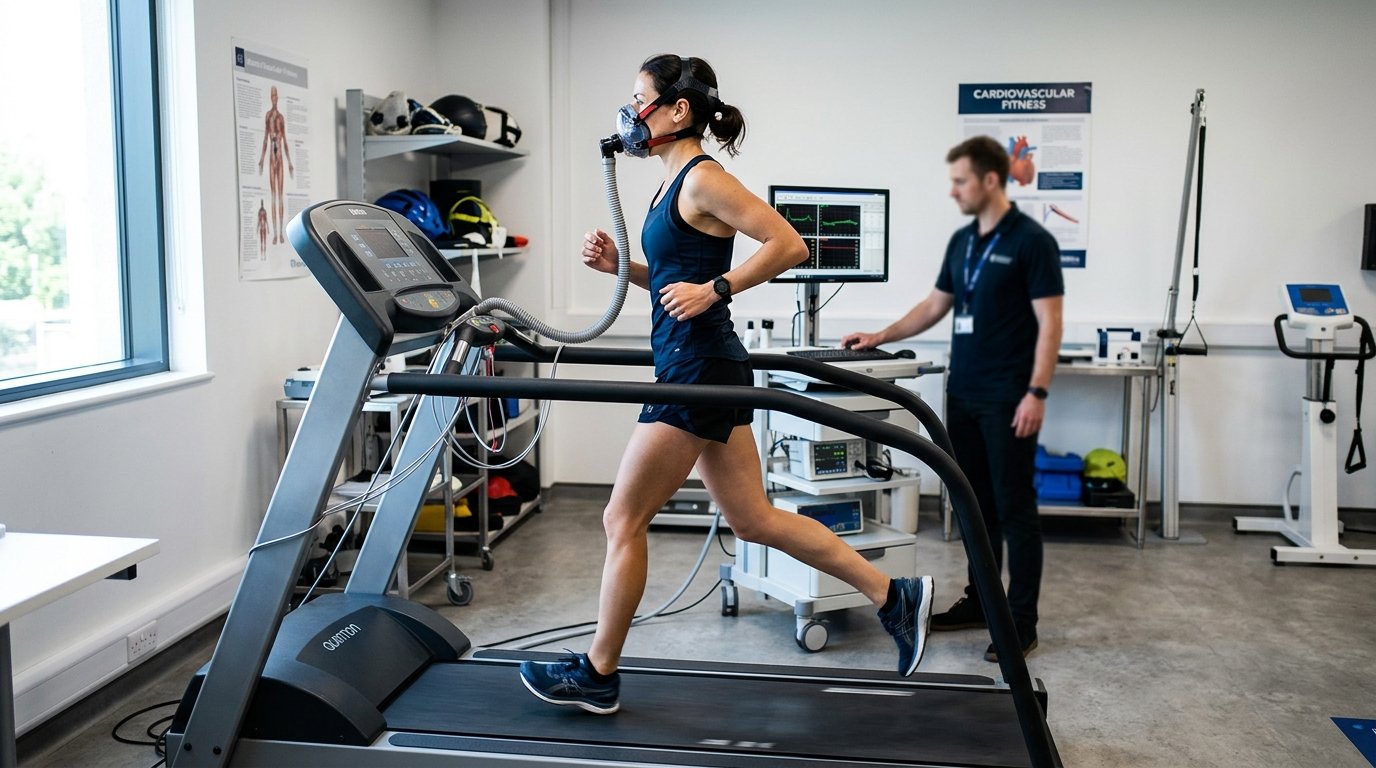
VO2 max, formally known as maximal oxygen uptake, measures the maximum amount of oxygen your body can utilize during intense exercise, expressed in milliliters of oxygen per kilogram of body weight per minute (ml/kg/min). Think of it as your aerobic engine’s horsepower—the upper ceiling of your aerobic capacity. When you exercise, your lungs absorb oxygen, your heart pumps it through your bloodstream, and your muscles extract and burn it for energy. VO2 max specifically measures this entire chain at its peak performance level. A higher VO2 max generally indicates superior cardiovascular fitness and aerobic endurance capacity. Scientists determine VO2 max through laboratory testing using a treadmill or stationary bike while monitoring oxygen consumption through a metabolic analyzer, though field tests and prediction equations offer more accessible alternatives. Understanding this metric provides valuable insight into your fitness baseline and helps you design training programs that effectively boost your aerobic capacity.
The relationship between VO2 max and overall health extends far beyond athletic performance metrics. Research consistently demonstrates that individuals with higher VO2 max levels experience lower rates of cardiovascular disease, type 2 diabetes, and premature mortality from all causes. Your cardiovascular system’s efficiency directly impacts how well your organs receive oxygen, influencing everything from cognitive function to metabolic health. People with robust cardiovascular fitness typically maintain healthier blood pressure levels, better cholesterol profiles, and improved insulin sensitivity. Additionally, strong cardiovascular fitness supports mental health by enhancing blood flow to the brain and promoting the release of beneficial neurochemicals. The investment in improving your VO2 max isn’t merely about running faster or longer—it’s about building resilience into your most vital biological systems. This comprehensive health benefit explains why cardiologists and fitness professionals consistently prioritize cardiovascular fitness as a cornerstone of preventive medicine and longevity strategies.
Genetics undeniably influence your baseline VO2 max, but this shouldn’t discourage you from pursuing improvements. Studies show that approximately fifty percent of VO2 max variation between individuals stems from genetic factors, while the remaining fifty percent depends on training status and lifestyle choices. This means you possess genuine control over significant improvements regardless of your genetic starting point. Different populations show varying average VO2 max values, influenced by factors like age, sex, and training history. Young, sedentary adults typically range from twenty to thirty-five ml/kg/min, while trained athletes often exceed sixty ml/kg/min. The encouraging news is that virtually anyone can increase their VO2 max through appropriate training. Even individuals with lower genetic potential can achieve substantial gains, sometimes improving by twenty to thirty percent through consistent aerobic training. Understanding this balance between nature and nurture helps you set realistic yet ambitious goals for your cardiovascular development.
High-intensity interval training (HIIT) has emerged as one of the most efficient methods for boosting VO2 max in minimal time. This training approach alternates between short bursts of maximum-effort exercise and recovery periods, creating a powerful stimulus for cardiovascular adaptation. During high-intensity efforts, your body demands maximum oxygen delivery, forcing your cardiovascular system to adapt by improving heart stroke volume, oxygen extraction efficiency, and mitochondrial function. Research demonstrates that HIIT can produce VO2 max improvements comparable to traditional steady-state endurance training in roughly half the time commitment. A typical HIIT session might involve four to six intervals of three to five minutes at near-maximal intensity, separated by equal or slightly longer recovery periods. The beauty of HIIT lies not only in its time efficiency but also in its ability to trigger metabolic adaptations that extend beyond the workout itself. However, HIIT requires proper progression and recovery to prevent overtraining, making it essential to balance high-intensity sessions with moderate-intensity and easy recovery days.
Steady-state aerobic training remains an essential complement to high-intensity work for comprehensive cardiovascular development. This moderate-intensity exercise, performed at approximately sixty to seventy percent of your maximum heart rate, builds an aerobic base that supports both daily functioning and high-intensity performance. During steady-state training, your body primarily utilizes aerobic metabolism, strengthening your mitochondrial density and capillary networks throughout your muscles. Long, easy runs, cycling sessions, swimming, or rowing workouts at conversational intensity fall into this category. The beauty of steady-state training is its accessibility and sustainability—most people can maintain this intensity for extended periods without excessive fatigue or injury risk. Additionally, this training intensity facilitates recovery and adaptation between harder sessions. Elite endurance athletes typically dedicate eighty percent of their training volume to easy to moderate intensities, reserving only twenty percent for high-intensity work. This balanced approach prevents burnout while systematically improving aerobic capacity and VO2 max over time.
Measuring your progress in cardiovascular fitness extends beyond laboratory VO2 max testing, as practical field assessments and subjective markers provide valuable feedback. The Cooper test, where you run as far as possible in twelve minutes, offers a simple field estimate of aerobic capacity. Recovery heart rate—how quickly your pulse returns to baseline after exercise—serves as an excellent indicator of cardiovascular adaptation. As your fitness improves, your resting heart rate typically decreases, and your heart recovers faster from exertion. Performance improvements like running faster at the same perceived effort or maintaining higher speeds during long efforts reflect genuine cardiovascular adaptations. Wearable devices now provide accessible heart rate variability data, offering additional insights into your autonomic nervous system’s balance and overall cardiovascular health. Tracking these multiple markers creates a comprehensive picture of your cardiovascular development, allowing you to celebrate progress even when laboratory testing isn’t available. This multi-faceted approach to assessment keeps you motivated while ensuring your training effectively improves the systems that matter most.
Developing sustainable cardiovascular fitness requires balancing training intensity with adequate recovery, nutrition, and lifestyle factors that support adaptation. Your cardiovascular system improves during recovery periods, not during the workouts themselves, making sleep quality and duration absolutely critical for progress. Aim for seven to nine hours of consistent, quality sleep to optimize your body’s ability to adapt to training stimulus. Proper nutrition fuels your workouts and supports the metabolic processes underlying cardiovascular adaptation, with particular attention to carbohydrate availability for high-intensity training and protein for tissue repair. Hydration status directly impacts your cardiovascular function and exercise capacity, so maintaining consistent fluid intake throughout your day enhances training effectiveness. Stress management and regular movement throughout the day complement structured training sessions, creating an environment where your cardiovascular system can thrive. Remember that building VO2 max is a gradual process requiring months of consistent effort, not weeks of intense training. By honoring this timeline and addressing all components of fitness—training, recovery, nutrition, and lifestyle—you create the conditions for sustained cardiovascular improvements that translate into lasting health benefits and enhanced performance capacity.