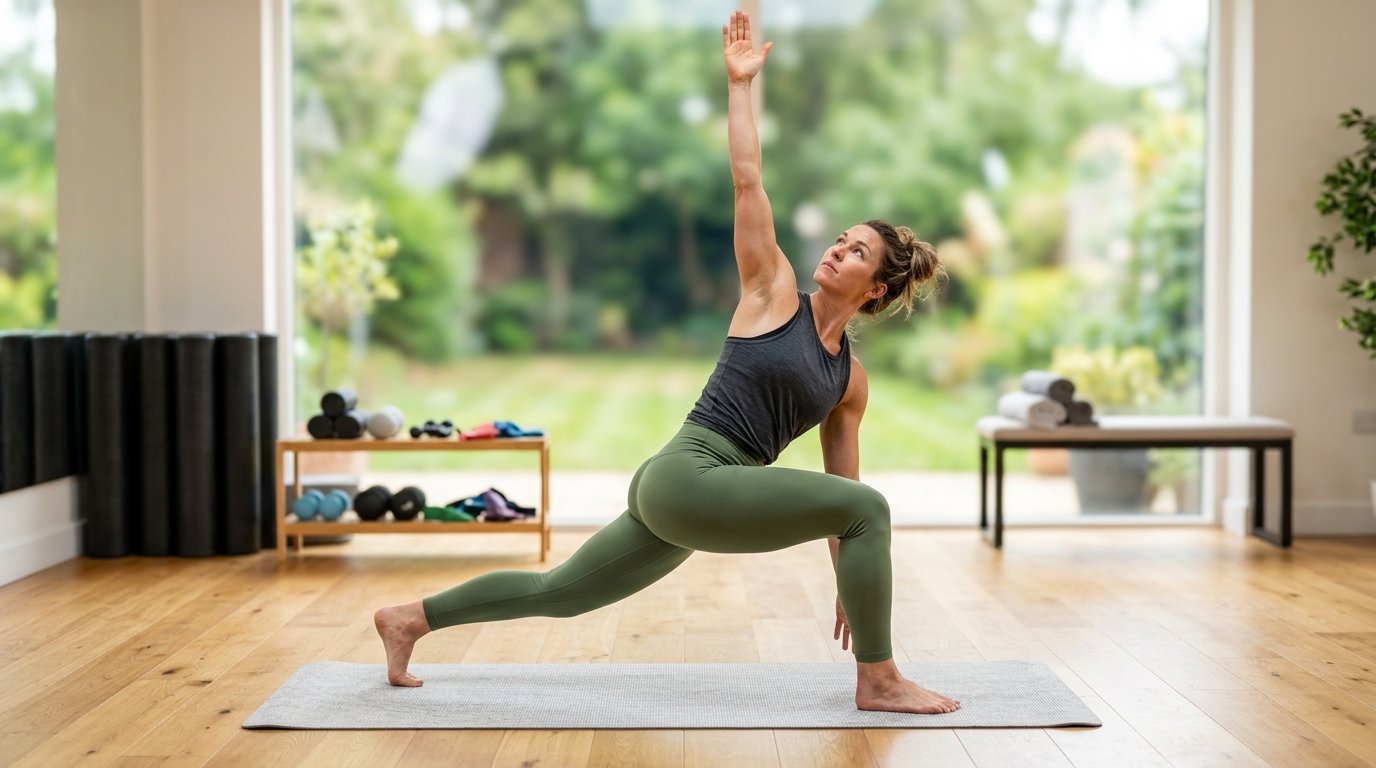
When most people hear the word “flexibility,” they immediately picture someone touching their toes or doing the splits. However, flexibility training encompasses far more than static stretching routines. True flexibility development involves a comprehensive approach that includes dynamic stretching, proprioceptive neuromuscular facilitation, foam rolling, and controlled mobility work. Understanding this distinction is crucial because different types of flexibility training serve different purposes in your fitness program. Static stretching, which many of us learned in gym class, is just one tool in a much larger toolkit. Modern exercise science has revealed that flexibility is not a one-size-fits-all quality but rather a multifaceted component of fitness that requires strategic, purposeful training. By exploring the science behind flexibility, you’ll discover why your current routine might be leaving gains on the table and how to optimize your training for real-world performance and injury prevention.
The human body’s flexibility is determined by several interconnected factors that go beyond muscle length alone. Connective tissues, including tendons, ligaments, and fascia, play significant roles in determining your range of motion. Neural factors also contribute substantially—your nervous system’s protective mechanisms can limit movement even when tissues are physically capable of greater range. Additionally, joint structure, hydration levels, and even body temperature influence how flexible you are on any given day. Research shows that flexibility is highly specific to individual joints and movement patterns, meaning you might have excellent hip flexibility but limited shoulder mobility. This specificity explains why a generic stretching routine often fails to address your unique limitations. By understanding these underlying mechanisms, you can design a flexibility program that targets your specific restrictions and movement patterns, leading to more effective results and better transfer to your daily activities and athletic performance.
Dynamic stretching has emerged as a superior warm-up strategy compared to traditional static stretching before exercise. Dynamic stretches involve moving through a range of motion in a controlled manner, gradually increasing speed and intensity. This approach activates your muscles, elevates heart rate, and prepares your nervous system for the workout ahead. Research published in sports medicine journals demonstrates that dynamic stretching maintains or even enhances strength and power output, whereas static stretching before intense exercise can temporarily reduce force production. Leg swings, arm circles, walking lunges, and inchworms are excellent examples of dynamic stretches that prepare your body for training. The beauty of dynamic stretching is that it simultaneously improves mobility while priming your neuromuscular system for performance. Incorporating five to ten minutes of quality dynamic stretching into your warm-up routine can significantly enhance your workout effectiveness while reducing injury risk, making it an essential component of any well-designed training program.
Proprioceptive neuromuscular facilitation, commonly called PNF stretching, represents one of the most effective yet underutilized flexibility techniques available. PNF involves stretching a muscle, then contracting it isometrically against resistance, followed by a deeper stretch into the newly available range of motion. This technique leverages the nervous system’s natural protective mechanisms to allow greater flexibility gains than passive stretching alone. The science behind PNF involves the golgi tendon organ, a sensory receptor that signals when tension becomes excessive, triggering a protective reflex. By strategically contracting the muscle before stretching, you can temporarily override this protective mechanism and access greater range of motion. Studies consistently show that PNF stretching produces more significant flexibility improvements over shorter timeframes compared to static stretching. While PNF typically requires a partner or specialized equipment, the results justify the effort. Incorporating PNF stretching two to three times weekly can produce noticeable improvements in mobility within just a few weeks, making it invaluable for athletes and fitness enthusiasts seeking rapid flexibility gains.
Myofascial release through foam rolling has revolutionized how we approach flexibility and recovery in modern training. Foam rolling applies sustained pressure to soft tissue, helping to break up adhesions and improve tissue quality. Beyond the popular belief that foam rolling simply stretches muscles, the actual mechanism involves improving tissue hydration, reducing neural tension, and enhancing proprioceptive feedback. When you roll over a tight area, you’re essentially providing a self-massage that promotes blood flow and encourages the nervous system to relax protective muscle guarding. Research indicates that foam rolling improves flexibility, reduces muscle soreness, and enhances athletic performance when used strategically. The key is understanding that foam rolling is not a replacement for stretching but rather a complementary tool that enhances your overall flexibility program. Spending ten to fifteen minutes daily on foam rolling, targeting areas of particular tightness or restriction, can dramatically improve your movement quality and flexibility within weeks. Combined with other flexibility techniques, foam rolling creates a comprehensive approach to tissue quality and mobility.
Mobility training differs subtly but importantly from flexibility training, and understanding this distinction elevates your entire approach to movement quality. Flexibility refers to the passive range of motion available in a joint, while mobility encompasses the active range of motion you can control and utilize. You might have excellent passive flexibility but poor mobility if your nervous system cannot effectively control that range. Mobility training involves moving through ranges of motion against resistance, often using your own bodyweight or external load. Exercises like deep bodyweight squats, yoga flows, and controlled stretching with resistance bands develop active mobility. This distinction matters because mobility translates directly to improved athletic performance and functional movement in daily life. A person with excellent passive flexibility but poor mobility might struggle with basic movement patterns or lack control in their available range. By emphasizing mobility development alongside flexibility training, you ensure that your improved range of motion is genuinely usable and beneficial. This integrated approach produces more functional results and better injury prevention than flexibility training alone.
Consistency and timing significantly influence flexibility training outcomes, yet many people overlook these critical variables. Your body responds best to flexibility work when it’s performed regularly, ideally daily or at minimum five days per week. Flexibility gains are somewhat temporary—missing just a few days of training can result in noticeable decreases in range of motion. Additionally, the timing of your flexibility work matters considerably. Post-workout flexibility training, when muscles are warm and your nervous system is already activated, typically produces better results than attempting flexibility work on cold muscles. Many athletes benefit from performing lighter flexibility work before exercise and more intensive flexibility training after workouts when tissues are optimally prepared. Temperature also plays a role—warm muscles are more responsive to stretching than cold ones. Furthermore, flexibility improvements follow a predictable timeline; expect to see meaningful changes within two to three weeks of consistent training, with more significant adaptations occurring over two to three months. Understanding these temporal factors helps you structure your training for optimal results and maintain gains once you’ve achieved them.
Integrating flexibility training into your overall fitness program requires strategic planning rather than simply adding random stretching sessions. The most effective approach combines multiple flexibility modalities tailored to your specific limitations and goals. Begin by assessing your current mobility using simple tests like the sit-and-reach, overhead squat assessment, or shoulder flexibility checks to identify your primary restrictions. Then structure your weekly training to address these limitations systematically. Include dynamic stretching in every warm-up, dedicate two to three sessions weekly to focused mobility work targeting your restrictions, incorporate PNF stretching once or twice weekly, and use foam rolling daily for general tissue quality. This comprehensive approach addresses flexibility from multiple angles, leveraging different physiological mechanisms for optimal results. Remember that flexibility training is not separate from your strength and conditioning work but rather an integral component that enhances overall performance and longevity. By treating flexibility with the same dedication and structure you apply to strength training, you’ll unlock improved movement quality, reduced injury risk, and enhanced athletic performance that extends far beyond the ability to touch your toes.