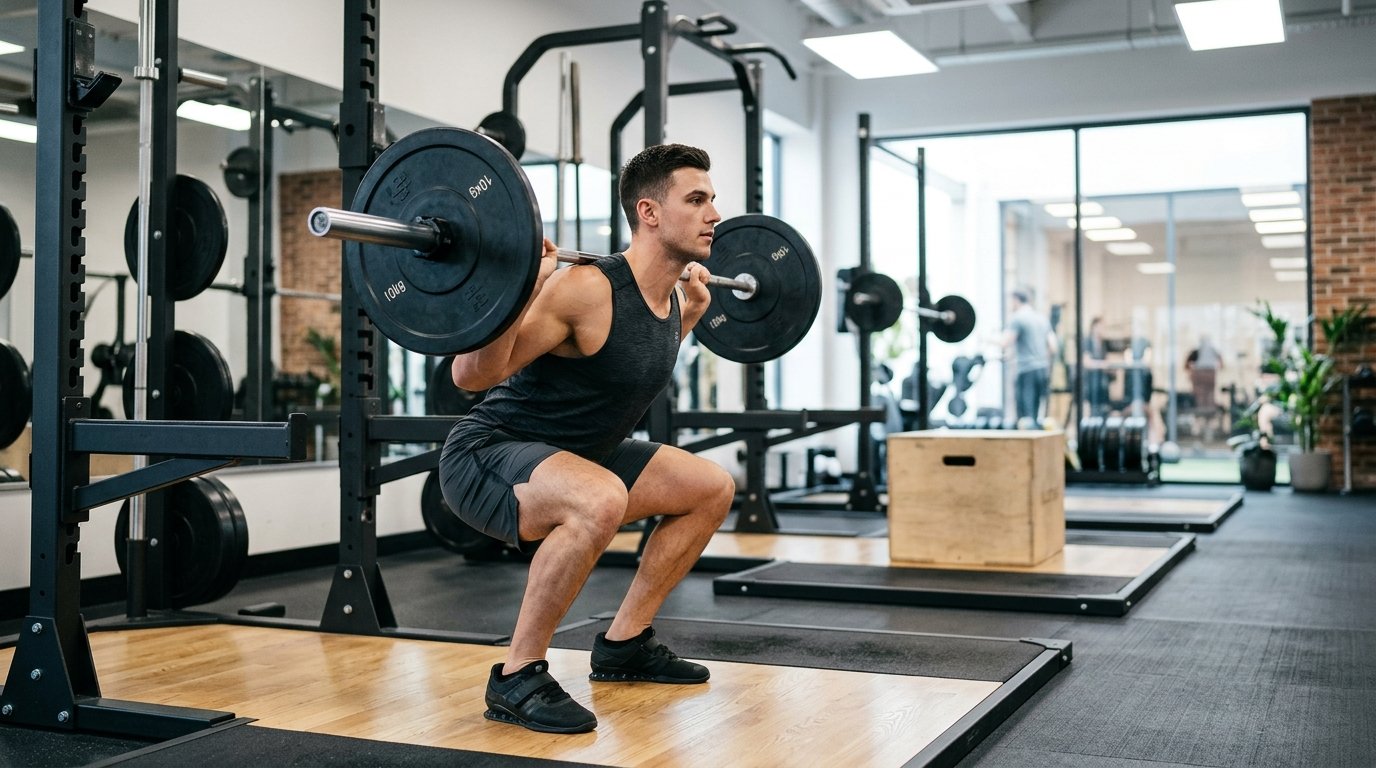
Proper exercise form is the cornerstone of any effective training program, yet it remains one of the most overlooked aspects of fitness. Many people prioritize lifting heavier weights or completing more repetitions without considering the mechanics of their movements, which inevitably leads to injury and setbacks. The truth is that perfect form creates a foundation for long-term progress and sustainable fitness gains. When you execute movements with precision, your muscles work more efficiently, your joints experience less stress, and your nervous system learns the correct movement patterns. This neurological adaptation is crucial because your body remembers how you move, repeating these patterns consistently over time. Understanding that form quality directly impacts both performance and safety should motivate anyone serious about fitness to invest time in mastering the basics before progressing to advanced variations or heavier loads.
The relationship between biomechanics and injury prevention cannot be overstated in exercise science. Poor form creates compensatory movement patterns where uninvolved muscle groups take on excessive load they weren’t designed to handle. For example, when performing squats with a forward-leaning torso, the lower back bears unnecessary stress while the quadriceps and glutes fail to engage fully. This imbalance not only reduces workout effectiveness but also accumulates microtrauma in vulnerable tissues over weeks and months. Eventually, this accumulated stress manifests as chronic pain or acute injury. Conversely, when you maintain proper alignment and engage the intended muscle groups, forces distribute evenly across joints and tissues, significantly reducing injury risk. The science is clear: investing in form mastery from day one prevents the frustrating cycle of injury, recovery, and deconditioning that derails countless fitness enthusiasts from achieving their goals.
Starting with lighter weights to establish foundational movement patterns is a scientifically-backed strategy that separates successful athletes from injured ones. Your nervous system requires time to establish motor control and proprioceptive awareness, which cannot be rushed regardless of your current strength level. Begin with bodyweight variations or minimal resistance to understand how each movement should feel throughout your entire range of motion. During this learning phase, focus intensely on maintaining neutral spine alignment, controlling the eccentric (lowering) phase of movements, and achieving full range of motion without compensation. Film yourself performing exercises from multiple angles, or better yet, work with a qualified trainer who can provide real-time feedback and corrections. This foundational period typically lasts two to four weeks, and while it may feel slow, it builds the neural pathways necessary for safe progression. Remember that the weight you lift matters far less than the quality of movement you demonstrate.
Core stability forms the foundation for safe movement in virtually every exercise, from compound lifts to isolation movements. Your core isn’t just your abdominal muscles; it’s an integrated system including your rectus abdominis, obliques, transverse abdominis, and deep spinal stabilizers. A strong, stable core maintains spinal alignment throughout movement, protecting your intervertebral discs and supporting proper force transfer from your lower body to your upper body. Before adding external resistance, spend time developing core awareness through exercises like planks, dead bugs, and bird dogs. These foundational movements teach you to maintain neutral spine position while resisting external forces. During compound movements like deadlifts or overhead presses, actively engage your core by bracing your abdominal muscles as if preparing for a punch. This creates intra-abdominal pressure that stabilizes your spine and allows you to lift with greater safety and efficiency. Neglecting core development is one of the most common reasons people develop lower back pain during training.
Joint alignment and range of motion work together to determine whether an exercise is performed safely or dangerously. Each joint has specific planes of motion and ranges that your body can safely achieve; exceeding these boundaries creates excessive stress on ligaments, cartilage, and surrounding tissues. For instance, knee valgus (inward collapse) during squats or lunges places dangerous shear forces on the knee joint, while allowing your elbows to flare excessively during bench press shifts stress from the chest to the shoulder joint. Understanding your individual mobility limitations is essential because genetic factors, training history, and lifestyle habits affect your available range of motion. Rather than forcing yourself into positions you cannot safely achieve, work progressively to improve mobility through dedicated stretching and mobility work. This might mean performing squats to a shallower depth initially, then gradually increasing range as your mobility improves. Respecting your current limitations while working to expand them is the mature, sustainable approach to training.
Breathing patterns during exercise significantly impact spinal stability and overall safety, yet many people either hold their breath or breathe inconsistently. Proper breathing maintains intra-abdominal pressure while allowing oxygen delivery to working muscles, creating the optimal environment for safe force production. The general principle involves exhaling during the concentric (lifting) phase and inhaling during the eccentric (lowering) phase, though specific patterns vary by exercise. During heavy compound lifts like squats or deadlifts, many athletes use a Valsalva maneuver, which involves taking a deep breath and holding it briefly to increase intra-abdominal pressure and core stiffness. However, this technique isn’t appropriate for all exercises or all individuals, particularly those with cardiovascular concerns. The key is developing consistent, controlled breathing that supports spinal stability without creating excessive pressure. Practicing breathing patterns with light weight helps establish these habits before progressing to heavy loads where breathing mistakes become more consequential.
Eccentric control—the lowering phase of an exercise—deserves equal attention to the lifting phase, yet many people rush through it to begin the next repetition. The eccentric phase is where most muscle damage occurs, driving adaptation and strength development while also presenting significant injury risk if performed carelessly. Lowering weight slowly and under control requires your muscles to resist gravity, creating greater time under tension and more mechanical stress on muscle fibers. This controlled descent also allows you to maintain proper form and alignment throughout the movement, preventing the momentum-driven compensations that occur when people lower weight too quickly. A general guideline involves taking two to three seconds to lower weight, though this varies by exercise and training goal. Focusing on the eccentric phase also provides an opportunity to assess and correct form in real-time before beginning the next repetition. Many people discover that slowing down their eccentric phase actually improves their entire workout quality and reduces injury risk significantly.
Implementing regular form assessments and video analysis into your training routine creates accountability and accelerates improvement. Modern smartphones make recording your sets incredibly easy; reviewing footage immediately after training reveals form breakdowns you might not notice in the moment. Compare your recorded form against reliable sources like reputable fitness coaches, peer-reviewed studies, or established coaching resources to identify specific areas for improvement. Tracking form progression over weeks and months provides motivation and objective evidence of skill development beyond just strength gains. Additionally, consider scheduling periodic assessments with qualified professionals who can identify subtle compensation patterns and provide personalized recommendations. As you progress to heavier weights or more complex movements, these professional check-ins become increasingly valuable. Remember that form isn’t static; it evolves as you become stronger and more experienced. Committing to continuous form refinement demonstrates the mindset of a serious athlete and virtually guarantees long-term injury-free progress toward your fitness goals.