High-intensity interval training, commonly known as HIIT, has revolutionized the fitness industry by delivering remarkable fat loss results in significantly shorter timeframes than traditional steady-state cardio. The science behind HIIT is compelling: by alternating between explosive bursts of maximum-effort exercise and brief recovery periods, your body enters a metabolic state that continues burning calories long after your workout concludes. This phenomenon, called excess post-exercise oxygen consumption or EPOC, means you’re essentially building a fat-burning machine that works even while you’re resting. Research published in numerous exercise science journals demonstrates that HIIT can increase your metabolic rate for up to 48 hours following a single session. Unlike conventional cardio routines that may feel monotonous and time-consuming, HIIT workouts typically last between 15 and 30 minutes, making them accessible for busy professionals and fitness enthusiasts alike. The efficiency of HIIT lies in its ability to stimulate both aerobic and anaerobic energy systems simultaneously, creating a powerful metabolic disruption that forces your body to adapt and burn more calories throughout the day.
Understanding the physiological mechanisms behind HIIT’s effectiveness helps explain why this training method outperforms traditional cardio for fat loss. When you push your body to near-maximum effort during the intense intervals, your muscles rapidly deplete their glycogen stores and require immediate energy replenishment. This triggers your sympathetic nervous system, increasing epinephrine and norepinephrine release, which mobilizes fat stores for fuel. Additionally, HIIT stimulates the production of human growth hormone, a key player in fat metabolism and muscle preservation. The recovery periods during HIIT aren’t passive; they keep your heart rate elevated while allowing your nervous system to briefly recover, creating an optimal environment for fat oxidation. Your body must work harder to restore homeostasis after HIIT, requiring substantial ATP and energy expenditure. This metabolic demand continues for hours post-workout, meaning calories burn during your shower, commute, or work meetings. Furthermore, HIIT preserves lean muscle mass more effectively than steady-state cardio, ensuring that weight loss comes primarily from fat rather than muscle tissue, which is crucial for maintaining metabolic health and appearance.
Designing an effective HIIT protocol requires understanding the fundamental variables that make these workouts successful. The work-to-rest ratio is critical; beginners typically benefit from a 1:2 ratio, meaning 30 seconds of intense effort followed by 60 seconds of recovery. As fitness improves, this can progress to 1:1 or even 2:1 ratios for advanced athletes. Exercise selection matters significantly—compound movements like burpees, kettlebell swings, and jump squats engage multiple muscle groups simultaneously, maximizing calorie expenditure and metabolic impact. The intensity during work intervals must be genuinely maximal; aiming for 85 to 95 percent of your maximum heart rate ensures you’re triggering the metabolic adaptations that make HIIT superior for fat loss. Session duration should range from 15 to 30 minutes including warm-up and cool-down, as longer sessions risk overtraining and diminishing returns. Frequency matters too; most research supports two to four HIIT sessions weekly, allowing adequate recovery between sessions. Combining HIIT with resistance training and proper nutrition creates a comprehensive fat-loss strategy that addresses multiple metabolic pathways simultaneously.
The hormonal response to HIIT creates a unique fat-loss advantage that distinguishes it from moderate-intensity exercise. During intense intervals, your body releases catecholamines—adrenaline and noradrenaline—which activate hormone-sensitive lipase, an enzyme that breaks down stored fat for energy. Simultaneously, HIIT suppresses insulin levels during and immediately after exercise, promoting fat utilization over carbohydrate storage. Growth hormone secretion increases dramatically following HIIT sessions, particularly during recovery periods, enhancing fat mobilization and muscle protein synthesis. Cortisol, while elevated during intense exercise, normalizes quickly afterward, preventing the chronic elevation associated with overtraining. The acute inflammatory response triggered by HIIT also stimulates adiponectin production, a hormone that improves insulin sensitivity and promotes fat oxidation. These hormonal shifts create a metabolic environment optimized for fat loss while preserving metabolic rate—a critical distinction from calorie restriction alone, which often triggers metabolic adaptation and reduced calorie burn. Understanding these hormonal mechanisms underscores why HIIT produces superior fat-loss results compared to traditional exercise approaches.
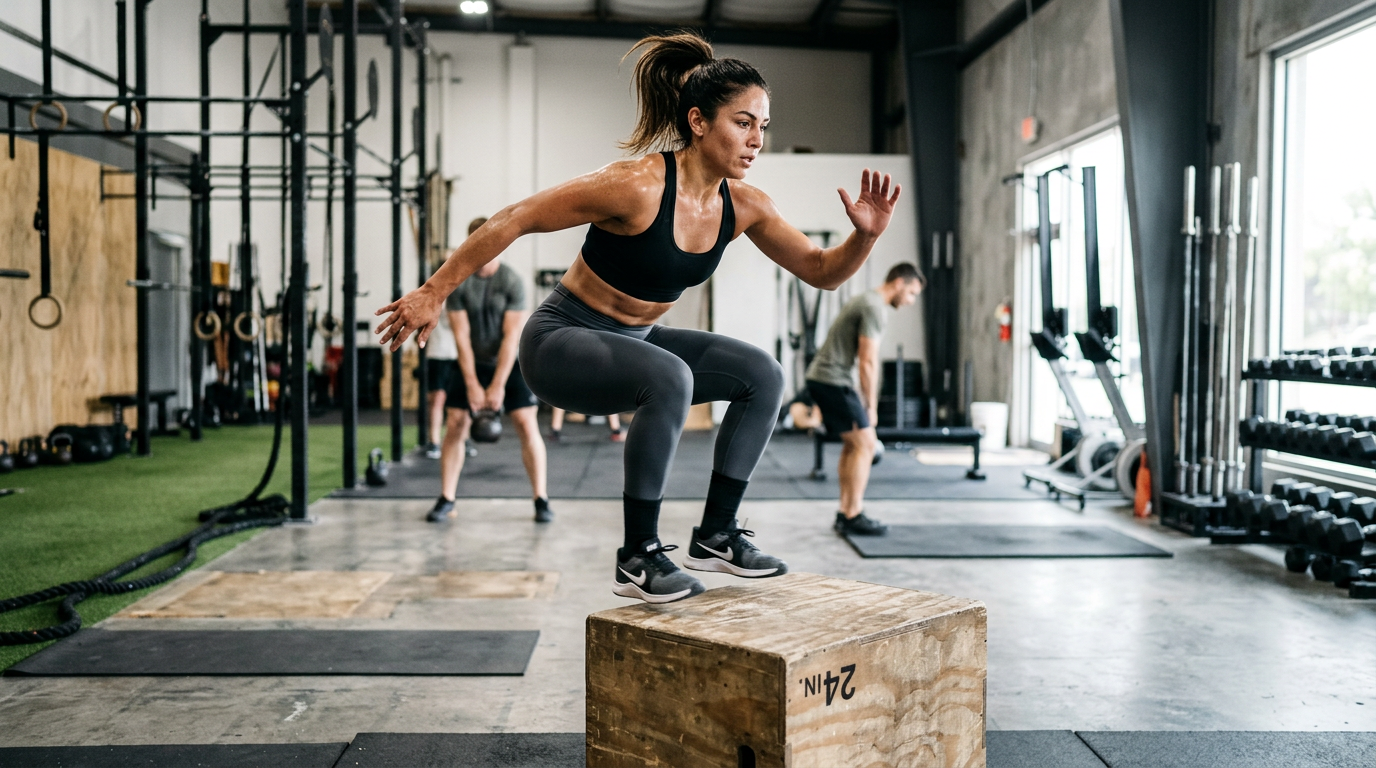
Practical HIIT programming requires balancing intensity, volume, and recovery to maximize fat loss while minimizing injury risk and burnout. A beginner-friendly protocol might involve 20 seconds of all-out sprinting followed by 40 seconds of walking recovery, repeated for 12 rounds. As fitness improves, athletes can progress to 40 seconds of work with 20 seconds of recovery, or incorporate more challenging exercises like box jumps and medicine ball slams. Varying your HIIT workouts prevents adaptation and maintains metabolic stimulus; alternating between lower-body dominant sessions, upper-body focused routines, and full-body protocols ensures balanced development. Weather and equipment considerations matter too; HIIT can be performed outdoors with minimal equipment, in a gym setting, or even in your living room, making it accessible regardless of circumstances. Tracking your performance—noting work intervals completed, distance covered, or repetitions achieved—provides objective feedback on progress and maintains motivation. Progressive overload in HIIT means gradually increasing either intensity, duration, or work-to-rest ratio, ensuring your body continues adapting and burning fat. Listening to your body and incorporating deload weeks prevents overtraining syndrome, which paradoxically stalls fat loss and increases injury risk.
Nutrition plays an indispensable role in maximizing fat loss from HIIT training, and the two cannot be separated when pursuing optimal results. Pre-workout nutrition should provide readily available energy without causing digestive discomfort; a banana with almond butter or a small bowl of oatmeal consumed 30 to 60 minutes before HIIT provides ideal fuel. Post-workout nutrition is equally crucial—consuming protein and carbohydrates within two hours after HIIT optimizes recovery and muscle protein synthesis while replenishing depleted glycogen stores. Protein intake throughout the day should remain adequate, typically 0.7 to 1 gram per pound of body weight, as HIIT increases muscle protein breakdown and synthesis. Hydration status significantly impacts HIIT performance and fat-loss outcomes; dehydration impairs metabolic function and reduces exercise capacity. Creating a caloric deficit through nutrition is essential, though excessive restriction counterproductively reduces HIIT performance and increases injury risk. Whole foods—lean proteins, complex carbohydrates, healthy fats, and abundant vegetables—should form your nutritional foundation. Timing nutrients around your HIIT sessions amplifies the fat-loss benefits by supporting recovery and maintaining metabolic rate, demonstrating that training and nutrition are synergistic components of successful body composition change.
Recovery between HIIT sessions deserves equal attention to the workouts themselves, as adaptation and fat loss occur during rest periods, not during exercise. Adequate sleep—seven to nine hours nightly—is non-negotiable for fat loss, as sleep deprivation impairs hormonal regulation, increases cortisol, and promotes fat storage. Active recovery days between HIIT sessions might include gentle yoga, leisurely walking, or swimming at conversational pace, promoting blood flow and reducing muscle soreness without additional metabolic stress. Foam rolling and stretching address muscle tension and improve mobility, supporting long-term training consistency. Stress management becomes increasingly important when performing frequent HIIT workouts, as chronic stress elevates cortisol and sabotages fat-loss efforts despite intense training. Deload weeks—where HIIT intensity or volume decreases by 40 to 50 percent—every four to six weeks prevent overtraining syndrome and maintain long-term adherence. Monitoring recovery markers like resting heart rate, heart rate variability, and subjective energy levels provides insight into whether your body is adapting positively or showing signs of overtraining. Prioritizing recovery isn’t laziness; it’s a strategic investment in maximizing fat loss and maintaining the consistency required for sustainable results.
Combining HIIT with complementary training modalities creates a comprehensive fat-loss system greater than any single method alone. Resistance training two to three times weekly preserves and builds lean muscle mass, which increases resting metabolic rate and improves body composition independent of scale weight. Steady-state cardio on non-HIIT days, performed at 60 to 70 percent maximum heart rate, promotes fat oxidation without creating excessive systemic stress. Mobility work and flexibility training prevent injury and maintain movement quality, ensuring consistent training adherence over months and years. Periodizing your training—cycling through phases emphasizing different adaptations—prevents plateaus and maintains progressive fat loss. Tracking body composition through measurements, progress photos, and how clothes fit provides more meaningful feedback than scale weight alone, as muscle gain can mask fat loss. Setting realistic timelines and celebrating non-scale victories maintains motivation through your fat-loss journey. Most importantly, finding HIIT workouts and complementary activities you genuinely enjoy ensures long-term adherence; the best training program is one you’ll actually follow consistently. By integrating HIIT strategically within a comprehensive training and nutrition plan, supported by adequate recovery and lifestyle factors, you create an optimal environment for maximum fat loss and lasting body composition transformation.