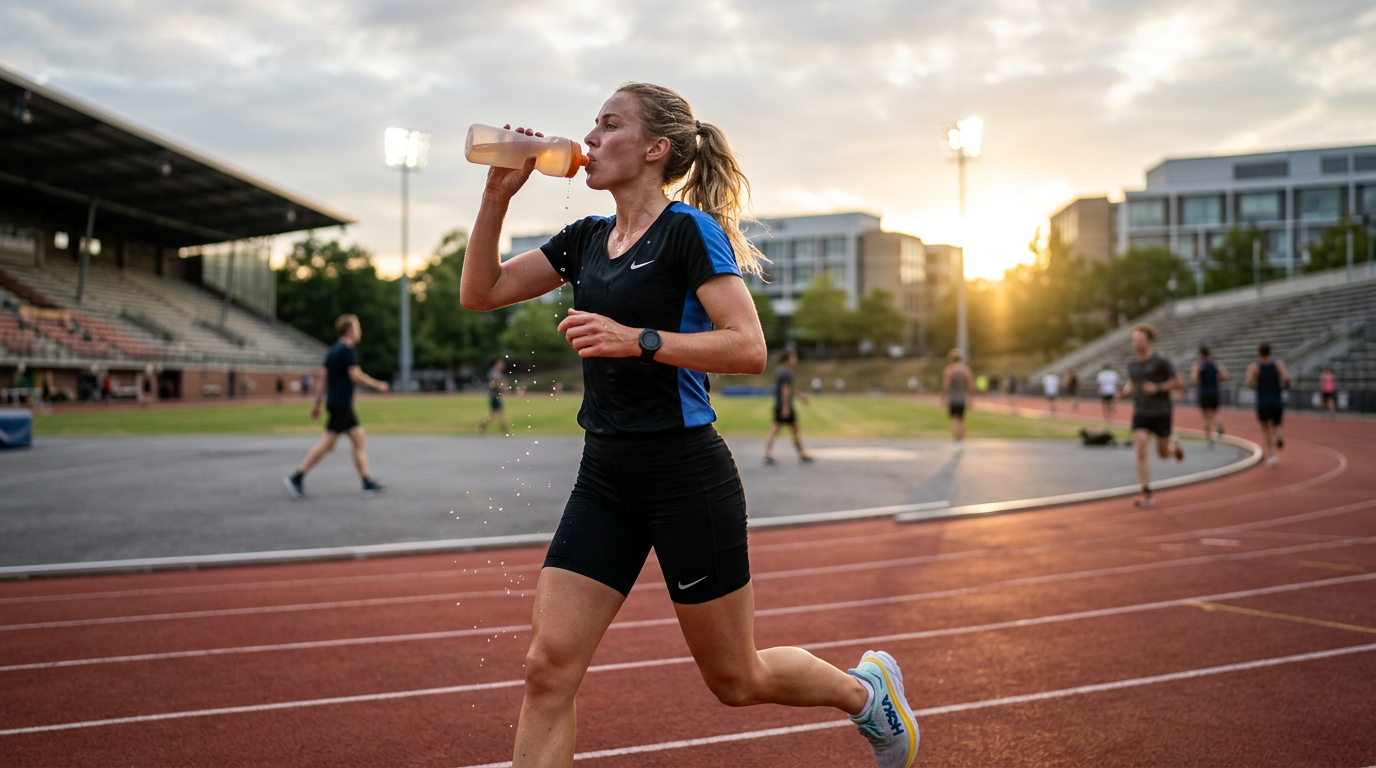
Water is fundamental to athletic performance, yet many athletes underestimate its critical role in optimizing their training outcomes. Beyond simple thirst quenching, hydration directly influences muscle contraction, energy production, and thermoregulation during exercise. When your body loses just two percent of its water content, performance can decline by up to twenty percent. This relationship between fluid balance and athletic capacity has been extensively documented through exercise science research, revealing that dehydration impairs both aerobic and anaerobic performance. Understanding the science behind hydration allows athletes to develop personalized strategies that enhance endurance, strength, and recovery. The human body’s dependence on water for optimal function means that strategic hydration protocols can provide a competitive edge. Whether you’re training for endurance events or strength-based competitions, recognizing hydration’s physiological importance is the first step toward maximizing your athletic potential and achieving consistent performance improvements.
The physiological mechanisms behind hydration’s impact on performance are rooted in basic cellular function and cardiovascular dynamics. Water comprises approximately sixty percent of body weight and serves as the medium for virtually every metabolic process occurring during exercise. When you exercise, your muscles generate heat as a byproduct of energy production, and your body relies on sweat evaporation to maintain core temperature. Adequate hydration ensures your cardiovascular system can maintain blood volume, allowing efficient oxygen delivery to working muscles and nutrient transport throughout your body. Dehydration increases blood viscosity, forcing your heart to work harder to circulate blood, which elevates heart rate and reduces exercise efficiency. Additionally, water plays a crucial role in maintaining electrolyte balance, which is essential for muscle contraction and nerve signaling. These interconnected physiological processes demonstrate why hydration isn’t merely a comfort consideration but rather a performance-determining factor that directly influences your training effectiveness and athletic achievements.
Individual hydration needs vary significantly based on multiple factors including body composition, sweat rate, exercise intensity, environmental conditions, and genetic predisposition. Two athletes of similar size may have dramatically different fluid requirements during identical training sessions due to variations in their thermoregulatory responses. Sweat rate, which represents the volume of fluid lost through perspiration, is one of the most important variables to assess for personalized hydration planning. You can determine your sweat rate by weighing yourself before and after a standardized training session, accounting for any fluid consumed during exercise. Environmental factors like temperature and humidity substantially increase sweat losses, meaning your hydration strategy for summer outdoor training differs significantly from indoor winter workouts. Body composition also influences hydration needs, as leaner athletes typically have higher sweat rates relative to their body weight. Rather than following generic hydration guidelines, successful athletes measure their individual responses and adjust fluid intake accordingly. This personalized approach ensures you’re providing your body exactly what it needs to maintain optimal performance and prevent the performance decrements associated with even mild dehydration.
Pre-exercise hydration establishes the foundation for maintaining fluid balance throughout your training session or competition. Starting your workout in a euhydrated state, meaning your body has adequate fluid stores, prevents the initial performance decline that occurs when dehydration begins. Research suggests consuming approximately sixteen to twenty ounces of fluid two to three hours before exercise allows adequate time for absorption and urine regulation. This pre-exercise window is crucial because it permits your kidneys to normalize fluid levels before you begin sweating. The timing matters significantly; consuming all your fluids immediately before exercise may cause gastrointestinal discomfort without providing performance benefits. Additionally, including sodium in your pre-exercise beverages enhances fluid retention, meaning more of the water you consume stays in your system rather than being rapidly excreted. Athletes should experiment with different volumes and timing during training sessions rather than waiting until competition day to discover their optimal pre-exercise hydration protocol. This preparation phase sets the stage for sustained performance and demonstrates how strategic planning before exercise begins provides meaningful advantages.
During-exercise hydration strategies must balance fluid replacement with gastrointestinal comfort and absorption capacity. Your body can only absorb approximately twenty to thirty ounces of fluid per hour during exercise, which is often less than the volume lost through sweating in intense training. Rather than attempting to replace all lost fluids, the goal is to minimize dehydration to maintain performance without causing stomach distress. Consuming six to eight ounces of fluid every fifteen to twenty minutes during prolonged exercise maintains steady hydration levels without overwhelming your digestive system. For exercise lasting beyond sixty minutes, including carbohydrates and electrolytes in your hydration strategy becomes increasingly important for performance maintenance. Carbohydrates provide energy for working muscles while electrolytes enhance fluid absorption and retention. The composition of your sports drink significantly influences both performance and comfort; solutions containing four to eight percent carbohydrates with appropriate sodium concentrations optimize absorption. Cold beverages are often better tolerated than room-temperature options, and flavoring increases voluntary fluid intake. Developing an individualized during-exercise hydration plan through systematic experimentation ensures you maximize performance while maintaining gastrointestinal comfort throughout your training.
Post-exercise rehydration is frequently overlooked despite its significant impact on recovery quality and subsequent training performance. After exercise concludes, your body continues losing fluids through perspiration and increased urination, meaning passive rehydration through normal drinking patterns often fails to restore optimal fluid balance. Research indicates that athletes should consume approximately sixteen to twenty-four ounces of fluid for every pound of body weight lost during exercise over a two to four hour recovery window. This seemingly aggressive rehydration protocol accounts for continued fluid losses and ensures complete restoration of blood volume and cellular hydration. Including sodium in recovery beverages enhances fluid retention, preventing rapid urination that would otherwise eliminate consumed fluids before your body can utilize them. Carbohydrates and protein in recovery fluids support glycogen restoration and muscle protein synthesis, making recovery drinks superior to plain water for comprehensive recovery support. The timing of post-exercise hydration matters significantly; beginning rehydration immediately after exercise concludes accelerates the recovery process compared to delaying fluid intake. This strategic post-exercise hydration approach directly influences your readiness for subsequent training sessions and supports long-term performance progression.
Environmental conditions dramatically modify hydration requirements, with heat and humidity presenting particular challenges for maintaining optimal fluid balance during exercise. Hot and humid environments increase sweat production while simultaneously reducing evaporative cooling efficiency, creating a double threat to thermal regulation and performance. Athletes training in these conditions may lose fluids at rates exceeding two liters per hour, far exceeding their absorption capacity and necessitating acceptance of some dehydration during exercise. Altitude training introduces additional hydration complexity, as the reduced oxygen availability increases respiratory water loss and may alter thirst perception. Cold environments present counterintuitive hydration challenges; athletes often fail to drink adequately in cold conditions despite significant fluid losses, leading to performance decrements and delayed-onset dehydration symptoms. Humidity particularly impairs evaporative cooling, making the same temperature feel significantly more challenging for thermoregulation. Understanding how environmental factors influence your individual hydration requirements allows you to adjust your fluid intake strategy proactively. Athletes should modify their hydration protocols based on seasonal changes and environmental conditions rather than maintaining identical strategies year-round.
Monitoring hydration status throughout training and competition provides real-time feedback for optimizing fluid intake decisions. Urine color offers a practical, accessible hydration indicator; pale yellow urine suggests adequate hydration while dark yellow indicates significant dehydration. Body weight changes during exercise provide another quantifiable measure; losing more than two to three percent of body weight during training signals inadequate fluid replacement. Thirst perception, while imperfect, becomes increasingly reliable as athletes develop awareness of their individual hydration responses. Advanced athletes may track additional parameters including heart rate variability and perceived exertion to identify dehydration’s subtle performance impacts. Regular hydration assessment during training sessions establishes baseline patterns, allowing you to recognize when environmental conditions or training intensity modifications require adjusted fluid strategies. This systematic monitoring approach transforms hydration from a guesswork endeavor into a data-informed practice that supports consistent performance optimization. By developing heightened awareness of your hydration status through multiple assessment methods, you gain the knowledge necessary to make real-time adjustments that maintain optimal fluid balance and maximize your athletic potential throughout every training session.